Thinking about buying a duplex in Redondo Beach? It can be a smart way to create flexibility in a high-demand coastal market, but it also comes with a different set of questions than buying a single-family home. You need to look at the property as both a place to live and a long-term asset, especially when financing, zoning, rents, and property condition all shape the opportunity. If you want to buy with more clarity and fewer surprises, this guide will help you focus on what matters most. Let’s dive in.
Redondo Beach duplex market basics
Redondo Beach has a relatively small multifamily inventory, which makes duplex buying feel more specialized than a typical home search. Current Redfin data shows 21 multifamily homes for sale in Redondo Beach, with a median listing price of $2.25 million.
That same market snapshot notes that most Redondo Beach homes spend about 53 days on market and receive one offer. For you as a buyer, that suggests a niche segment where pricing is high, inventory is limited, and each property may need close review because there are not endless alternatives to compare.
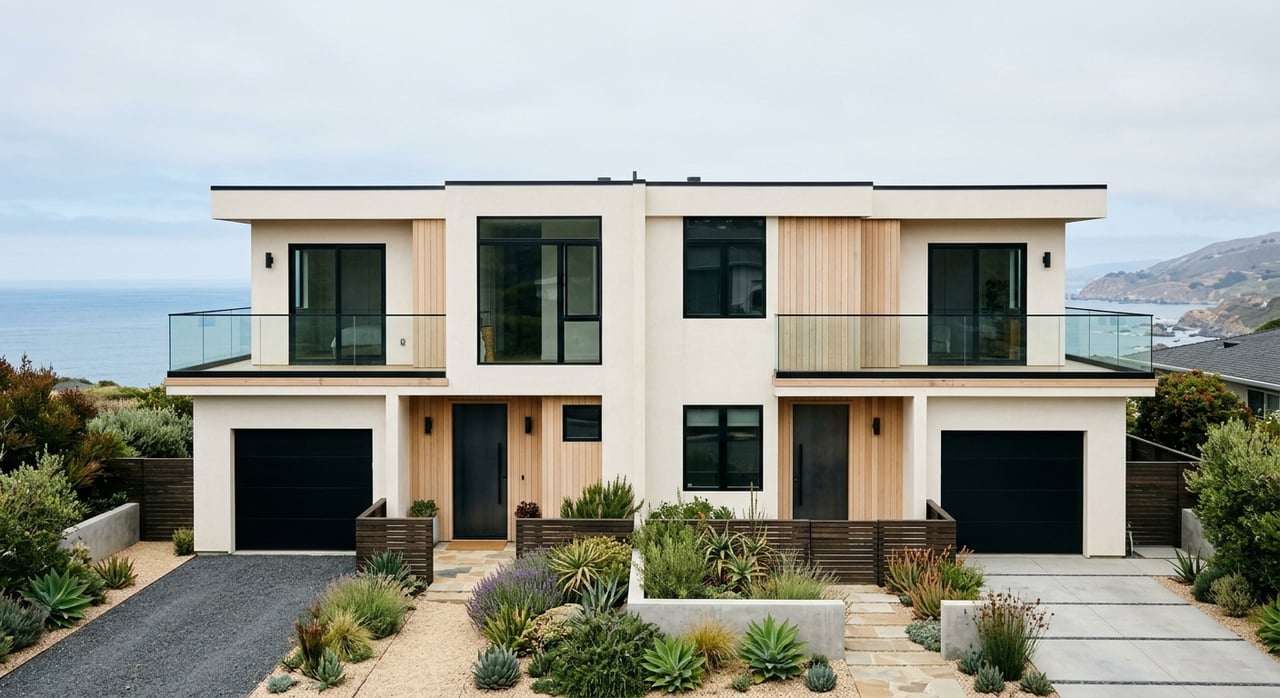
The duplex category in Redondo Beach is also broader than many buyers expect. Current listings include classic duplexes, two detached homes on one lot, renovated income properties, triplexes, and even four-unit buildings.
What duplex listings often include
In Redondo Beach, listings often highlight practical features that affect both livability and income potential. Common selling points include garage parking, private laundry, recent roof or electrical work, termite clearance, and ADU potential.
Those details matter because a duplex is not just about bedroom count or curb appeal. Features like parking, unit separation, and completed capital improvements can directly affect tenant appeal, maintenance costs, and your day-to-day ownership experience.
Several current listings are concentrated in North Redondo and South Redondo. That pattern reinforces the idea that small multifamily inventory is not spread evenly across the city, so your search may naturally narrow to certain pockets.
Why zoning matters first
Before you get too attached to a specific property, confirm how the parcel is zoned and what that means for current and future use. Redondo Beach planning materials identify R-2 and R-3 as multifamily districts where duplexes, triplexes, and townhouses are common building types.
The city’s residential design guidelines also give density examples of 14.6 units per net acre in R-2 and 17.5 units per net acre in R-3. For you, that helps explain why many duplex and small multifamily opportunities cluster in select areas rather than across every residential block.
Zoning also shapes your upside. If part of your strategy is to improve the property over time, add space, or explore an accessory dwelling unit, you want to understand those rules before you write an offer.
ADU and rental-use rules
Redondo Beach does allow ADUs on parcels in zones that permit single-family and or multifamily residential uses, according to city planning materials. That can create future flexibility, but it is important to verify site-specific feasibility with the city based on the lot, setbacks, parking, and the existing improvements.
Just as important, Redondo Beach does not permit short-term rentals in single-family and multifamily residential zones. Separate city materials state that rentals of 30 days or less are not allowed, and ADUs may not be used as short-term rentals.
That means a Redondo Beach duplex usually makes more sense as a long-term hold, a house-hack strategy where you live in one unit, or a property with stable longer-term tenants. If your numbers only work as a vacation-rental play, this market may not support that plan.
Financing a duplex is different
Buying a duplex often opens more financing options than buyers realize, especially if you plan to live in one of the units. Owner-occupied purchases of two- to four-unit properties can often fit conventional, FHA, or VA financing, but the rules are different from a one-unit home.
For conventional financing, Fannie Mae’s current eligibility matrix allows principal-residence purchases of two- to four-unit properties up to 95% loan-to-value, while investment purchases of two- to four-unit properties are capped lower at up to 75% loan-to-value. FHA programs are limited to one- to four-family owner-occupied principal residences, and VA guidance also allows eligible borrowers to buy a property with up to four units if occupancy and loan requirements are met.
The key point is simple: whether you will occupy a unit changes the financing conversation. If you are buying purely as an investment, expect tighter terms than you would see on an owner-occupied purchase.
How rental income may help you qualify
One of the biggest advantages of a duplex purchase is that rental income may help support your loan approval. For a two- to four-unit principal residence, rental income from the property can be used in qualifying when you occupy one of the units.
Lenders usually want documentation such as leases, tax returns, or bank records. If you plan to use current or projected rents to strengthen your application, gather rent rolls, lease history, and unit income details early.
This is one place where preparation matters. The cleaner the income documentation, the easier it is for your lender to evaluate the property and structure your approval.
Triplex and fourplex rules can tighten
If your search expands beyond duplexes into triplexes or fourplexes, the financing picture can become more strict. HUD guidance adds a self-sufficiency rental-income test for three- to four-unit FHA purchases.
That does not mean those properties are off the table. It does mean you should expect a closer review of whether the property’s income supports the loan structure, especially if you are using FHA financing.
For many buyers, this is one reason a duplex can feel like the most approachable entry point into small multifamily ownership. It can offer flexibility without some of the additional underwriting complexity that comes with larger properties.
Evaluate the property like an owner and investor
A duplex should be reviewed through two lenses at the same time. You want to know whether it works for your daily life, and you also want to know whether it performs like a well-supported small asset.
Start with the physical condition of both units. Are they rent-ready, or will you need immediate repairs before a tenant can move in or before you feel comfortable living there?
Current listings in Redondo Beach often emphasize major items such as roofs, plumbing, electrical panels, and termite clearance. That is a good reminder that deferred maintenance can change the numbers quickly.
You should also look closely at practical details like parking, laundry, storage, and unit privacy. These are the kinds of features that affect tenant demand, resale appeal, and your comfort if you plan to live on site.
Review leases and operating details
If the duplex is tenant occupied, ask for the current leases, rent amounts, deposit information, and any recent repair history. You want to understand not just what the property could earn someday, but how it is actually operating today.
A few good questions can make a big difference:
- Are both units currently occupied?
- Are the leases month to month or fixed term?
- Are rents in line with current lease terms?
- Are there known maintenance issues?
- Have there been recent capital improvements?
- Is there clear documentation for deposits and rent collection?
This step helps you avoid making assumptions based on listing language alone. It also gives your lender and other advisors a cleaner picture of the property.
Understand California tenant rules
If you are buying a tenant-occupied duplex, California tenant law needs to be part of your due diligence. The state’s Tenant Protection Act limits rent increases for many older rental properties to 5% plus inflation, or 10% total, whichever is lower, and it applies to most California rental housing that is more than 15 years old.
There is also an important occupancy-related detail for duplex buyers. California court guidance states that a duplex is exempt from the Act’s just-cause rules when the owner occupies one unit.
That means your intended ownership structure matters. Whether you plan to live in one unit or hold the property as a non-owner occupant can affect how the rules apply, so this should be part of your planning before you make an offer.
Build your strategy around long-term ownership
Because Redondo Beach prohibits short-term rentals in residential zones, most duplex purchases here make the most sense as long-term strategies. That could mean living in one unit and renting the other, holding both units as longer-term rentals, or buying with a future improvement plan in mind.
This is why exit planning matters from day one. You should think through reserves for repairs, possible vacancy, insurance, taxes, and ongoing upkeep before you decide what price truly feels comfortable.
Owning a duplex can create flexibility, but it works best when your numbers are based on realistic long-term use. In Redondo Beach, that mindset is usually much more practical than underwriting the property as a short-term-rental opportunity.
What to check before you offer
Before you write on a duplex in Redondo Beach, keep your review focused on the issues most likely to affect value and ownership experience.
Key items to confirm:
- Zoning and current legal use
- Whether an ADU may be allowed on the parcel
- Whether the property is tenant occupied
- Current leases, rents, and deposit records
- Condition of roof, plumbing, electrical, and pest history
- Parking, laundry, and unit layout
- Whether your financing is owner occupied or investment
- Whether rental income documentation is sufficient for underwriting
- Your reserve plan for repairs, taxes, insurance, and turnover
A duplex purchase can be a great fit if the property matches your goals and the numbers hold up under real scrutiny. The more clearly you understand the use rules, financing path, and condition of the asset, the more confident your decision will feel.
If you are weighing a duplex purchase in Redondo Beach, working with a local advisor who understands the South Bay’s small multifamily opportunities can help you move with more clarity. For thoughtful guidance on buying in coastal neighborhoods, connect with Amy Pearce.
FAQs
What should you know about duplex inventory in Redondo Beach?
- Redondo Beach has a relatively small multifamily market, with current Redfin data showing 21 multifamily homes for sale and a median listing price of $2.25 million.
Can you use a Redondo Beach duplex as a short-term rental?
- No. City materials state that rentals of 30 days or less are not permitted in single-family and multifamily residential zones, and ADUs may not be used as short-term rentals.
Can you buy a Redondo Beach duplex with owner-occupied financing?
- Yes. Owner-occupied two- to four-unit purchases can often qualify for conventional, FHA, or VA financing, depending on your eligibility and the lender’s requirements.
Can rental income help you qualify for a Redondo Beach duplex loan?
- Yes. For a two- to four-unit principal residence, rental income from the subject property may be used in qualifying when you occupy one of the units and provide the needed documentation.
Do California tenant rules matter when buying a duplex in Redondo Beach?
- Yes. Many older rental properties are subject to statewide rent increase limits, and owner occupancy can affect how some tenant-protection rules apply to a duplex.
What property features matter most when buying a duplex in Redondo Beach?
- Focus on unit condition, roof and systems, parking, laundry, lease status, and whether recent capital improvements or deferred maintenance will affect your costs after closing.