Trying to choose between a condo and a townhome in Hermosa Beach? It sounds simple until you start touring properties and realize the labels do not always tell the full story. If you want a home that fits your lifestyle, budget, and long-term plans, it helps to understand how ownership, space, parking, and HOA responsibilities can differ in this compact beach city. Let’s dive in.
Condo vs Townhome Basics
In Hermosa Beach, the first thing to know is that condo and townhome are not always direct opposites. In California, a condo is a legal ownership structure, while a townhome is usually a description of how the home is built.
That matters because a townhome-style property may still be legally structured as a condominium. A listing might look like a small house with multiple levels, but the recorded plan, title, and CC&Rs are what tell you who owns the roof, exterior walls, deck, yard, or shared spaces.
Why the Label Can Be Misleading
Many buyers assume a townhome means you own both the structure and the land underneath it. In Hermosa Beach, that may be true in some planned developments, but not in every case.
A townhouse can legally be a condominium, a lot in a planned development, or even a detached residence. That is why the smart question is not just “Is it a condo or townhome?” but “What exactly am I buying, and what comes with it?”
What Ownership Usually Looks Like
In a typical condo project, you generally own the interior unit and a fractional interest in the common areas. In a planned development, you usually own the lot and structure, while the HOA manages shared areas and use rights.
For you as a buyer, the real-world impact is maintenance responsibility. Before you fall in love with a layout or location, confirm whether the HOA or the owner handles the exterior, balconies, decks, roof, and any outdoor space.
Documents That Matter Most
When you are comparing options, these are the documents that answer the important questions:
- The recorded subdivision plan
- The CC&Rs
- HOA rules and governing documents
- The annual budget report
- Reserve information
- Transfer disclosure materials
In California, sellers must provide buyers with key HOA documents before transfer, including the governing documents, the latest budget and reserve materials, current assessments, unpaid fees, rental restrictions if any, and certain inspection-related materials. In practice, that makes the HOA packet one of the most important parts of your review.
How Hermosa Beach Inventory Usually Differs
Hermosa Beach is a small coastal city of about 1.4 square miles with nearly 20,000 residents. Inventory tends to be limited, so each building, block, and layout can have a big impact on your options.
Recent public listing samples show a pattern many buyers will recognize. Condo listings in Hermosa Beach often skew smaller, while townhome listings tend to feel more like compact houses.
Typical Condo Profile in Hermosa Beach
Current public samples show condos often falling into these ranges:
- About 1 to 2 bedrooms
- Roughly 439 to 986 square feet
- Visible asking prices around $599,000 to $1.45 million
Many condo examples appear on or near The Strand, Pacific Coast Highway, and Ardmore. That does not make it a rule, but it does suggest condos may appeal to buyers who want a smaller footprint and a closer-to-beach entry point.
Typical Townhome Profile in Hermosa Beach
Current public samples show townhomes often looking like this:
- About 3 to 4 bedrooms in many cases
- Roughly 607 to 2,892 square feet
- Visible asking prices from about $750,000 to $3.188 million
Many townhome examples appear on more residential blocks such as 1st Place, 2nd Street, 10th Street, Ardmore, and Aubrey Court. These homes often offer a multi-level layout, more storage, and a stronger small-house feel.
Which Option Fits Your Lifestyle?
The better fit often comes down to how you want to live day to day in Hermosa Beach. This is a city shaped by walkability, beach access, active transportation, and limited parking, so your lifestyle needs matter just as much as square footage.
The city has about two miles of shoreline and a busy downtown and Pier Avenue core. During summer weekends, the city says beach attendance can climb above 100,000 people, which helps explain why parking, access, and crowd levels are real quality-of-life factors.
A Condo May Fit You If
A condo may be the better choice if you want:
- A lower-maintenance ownership style
- A smaller home to care for
- A potentially lower price point for Hermosa Beach entry
- Close access to the beach, downtown, or major corridors
- Simpler day-to-day living with HOA-managed shared areas
If your priority is getting into the coastal market without taking on more space than you need, a condo can be a practical and appealing option.
A Townhome May Fit You If
A townhome may make more sense if you want:
- More bedrooms or flexible-use rooms
- Separation between living and sleeping areas
- More storage
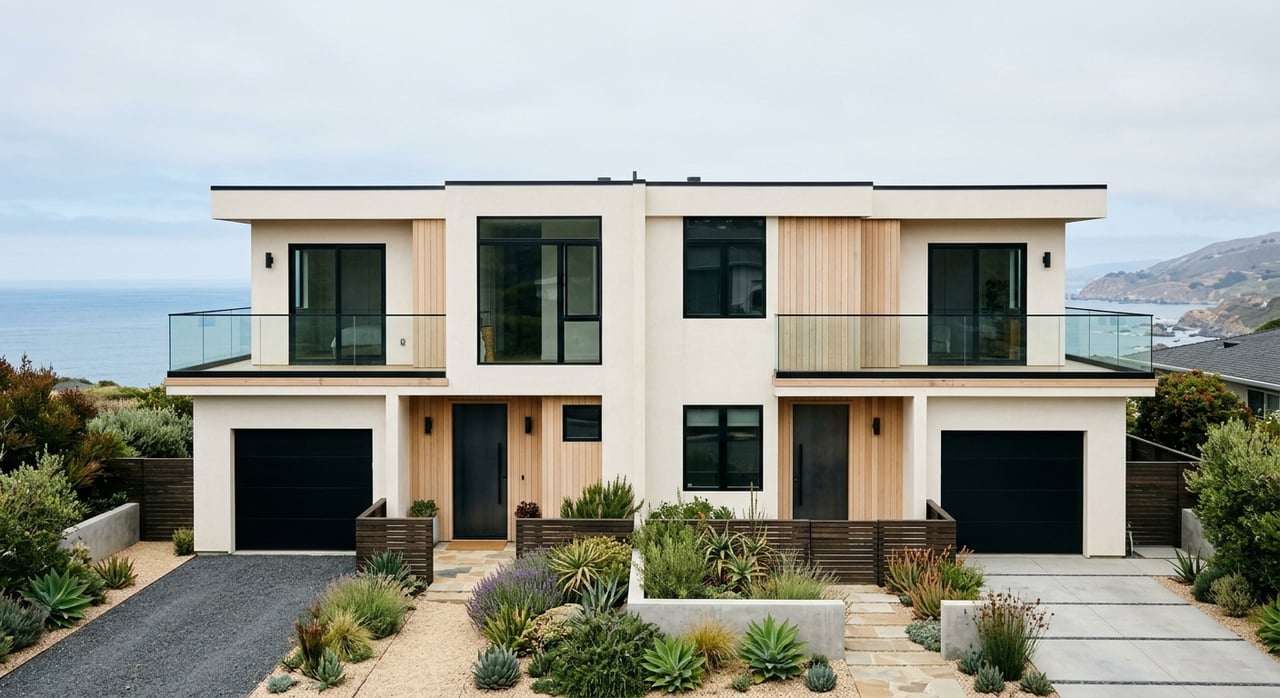
- A layout that feels more like a single-family home
- More privacy than a stacked unit may offer
If you need extra room for guests, a home office, hobbies, or longer-term flexibility, a townhome-style property may line up better with your plans.
Why Parking Deserves Extra Attention
In Hermosa Beach, parking is not a side detail. It can be one of the biggest quality-of-life differences between two otherwise similar homes.
The city actively manages public parking with lots, metered spaces, and a 72-hour maximum time limit in a single space. If you plan to live near the beach or downtown, assigned parking and garage access may matter just as much as finishes or view lines.
Parking Questions to Ask
Before you write an offer, make sure you know:
- How many parking spaces come with the property
- Whether the spaces are assigned, tandem, covered, or garage spaces
- Whether guest parking exists
- Whether storage is included with the parking area
- Whether parking rules are set by the HOA
A beautiful unit can feel very different once you factor in bikes, beach gear, guests, or multiple drivers.
HOA Questions You Should Not Skip
Whether you buy a condo or a townhome, the HOA can shape your costs and your experience. Under California law, associations generally handle common-area rules, finances, maintenance responsibilities, and dispute resolution, and unless the declaration says otherwise, the association is typically responsible for repairing, replacing, and maintaining common area.
That means monthly dues may cover more than landscaping. They may also support management, insurance, legal fees, and reserve funding for future repairs and replacements.
Review These HOA Details Carefully
As you compare Hermosa Beach properties, look closely at:
- Monthly dues
- Reserve strength and funding plan
- Any outstanding association loans
- Insurance summary
- Possible special assessment disclosures
- Maintenance responsibility for roofs, decks, exterior walls, and common spaces
- Rental restrictions, if any
- FHA or VA approval status, if financing matters to you
These details can affect both your monthly costs and your future flexibility.
Think Beyond Today’s Floor Plan
It is easy to focus on the kitchen, the natural light, or the distance to the beach. Those things matter, but in Hermosa Beach, your long-term fit often comes down to a few practical questions.
Ask yourself how much maintenance you want, how often you expect to host, whether you need parking for more than one car, and whether you may want rental flexibility later. The right answer is the property type and ownership structure that supports your life, not just the one with the best listing photos.
A Smart Hermosa Beach Decision
In the end, the condo versus townhome question in Hermosa Beach is really about fit. A condo may offer a more manageable entry point, less upkeep, and strong proximity to beach-centered living, while a townhome may offer more space, more separation, and a more house-like experience.
The key is to verify the legal ownership structure, understand the HOA package, and match the property to how you actually want to live. If you want thoughtful guidance as you compare options in Hermosa Beach and across the South Bay, Amy Pearce can help you make a clear, strategic decision.
FAQs
What is the difference between a condo and a townhome in Hermosa Beach?
- In Hermosa Beach, a condo is usually a legal ownership structure, while a townhome is usually a building style. A townhome-style property may still be legally structured as a condo, so you should verify title, the recorded plan, and the CC&Rs.
Are townhomes in Hermosa Beach usually larger than condos?
- Current public listing samples suggest yes. Hermosa Beach condos often appear as 1 to 2 bedroom homes under 1,000 square feet, while many townhomes offer 3 to 4 bedrooms and significantly more square footage.
What HOA documents should buyers review for Hermosa Beach condos or townhomes?
- Buyers should review the governing documents, CC&Rs, annual budget report, reserve summary, reserve funding plan, assessment information, insurance summary, rental restrictions, and transfer disclosure materials.
Why is parking such a big factor when buying in Hermosa Beach?
- Hermosa Beach is a compact coastal city with limited and actively managed public parking, so assigned parking, garage access, and guest parking can have a major impact on daily convenience.
Can a Hermosa Beach townhome have condo-style ownership?
- Yes. In California, a townhouse may legally be a condominium, a lot in a planned development, or another ownership form, which is why the legal documents matter more than the marketing label.
How do I decide whether a Hermosa Beach condo or townhome fits my plans?
- Start with your real priorities: maintenance level, space needs, parking, budget, and long-term flexibility. Then compare each property’s ownership structure, HOA responsibilities, and layout before deciding.